Monday, September 08, 2025

New Information on Elderberry Toxicity

New Information on Elderberry Toxicity

from the November/December 2019 issue - The Essential Herbal
by Rebekah Bailey

Writing this particular article proved to be one of my more interesting writing experiences.  I had completed and submitted it, only to have a series of events unfold in the following couple of days which required Tina and me to discuss a re-write.  In a serendipitous turn of events, only hours after reviewing my article, Tina was approached by an elderberry farmer who mentioned new research being conducted on elderberry toxicity.  As a result, I was able to run down and interview Andy Thomas, a research professor with the University of Missouri Southwest Center. He shared with me details of an elderberry toxicity research project, due to be published in the coming months. I will begin with the currently accepted information on elderberry toxicity, and then follow up with what I learned from Thomas.

Conventional wisdom regarding elderberries has been they are toxic when raw, and that the cyanide producing compound in them is neutralized with heat.  Elderberry branches, stems, leaves, and seeds contain potential cyanide in the form of cyanogenic glycosides. When ingested, these glycosides react with an enzyme, beta-glucosidase, and hydrolyze, releasing hydrogen cyanide. Elderberries aren't the only food containing cyanogenic glycosides: Lima beans, flax seed, almonds, apple seeds, cherry and plum pits, apricot and peach pits, cassava (the source of tapioca), spinach, peas, soy, and bamboo shoots.  However, I don't see anyone losing sleep over eating spinach and lima beans ... ummm, well, maybe if you don't like those vegetables.


Exposure to small amounts of cyanide can cause dizziness, headache, nausea, vomiting, rapid breathing, and rapid heart rate. Exposure to larger amounts can cause convulsions, loss of consciousness, low blood pressure, and respiratory failure. How much ingested cyanide is toxic to human beings? Well I couldn't find an exact number, but one source cited 98 mg in one day (and stated the lowest documented lethal dose as 37.8 mg), and the John Hopkins Center for Health Security cites 100-200 mg when ingested as sodium or potassium cyanide.  Another source cited "0.5-3.5 mg/kg bw. Approximately 50-60 mg of free cyanide constitutes a lethal dose for an adult man."  The human body is able to clear small amounts of cyanide through the liver involving a molecule called thiosulfate, and if enough tiosulfate is not present, then cyanide poisoning occurs.  Taking this into account, it stands to reason that poisoning will vary from person to person, depending on body weight, fasting/non-fasting, and individual metabolic factors.

Having a general idea of how much cyanide is lethal, the next question is how much cyanide can you find in elderberry? I could only find a couple of sources, which both stated 3mg per 100 g of fresh berries, and up to 17mg per 100 g of fresh leaves.  However, when I followed up with both articles' source material, Assessment Report on Sambucus nigra L., fructus by the European Medicines Agency, I could find no such numbers.  What the report did state was that information regarding the level of cyanogenic glycosides in the fruits and seed was not available.  Of the two sources I found, one came to the conclusion that it’s inconclusive just what the concentration of cyanogenic glycosides found in the berries and flowers.  If you were to go by the amount of 3 mg, then it would take eating approximately 3 pounds of raw elderberries to get a toxic dose of cyanide.

Here is where the new Missouri University elderberry study becomes relevant.  The University, working in conjunction with several state agencies and farmers, have been exploring elderberry as a commercial crop. A range of different studies have been conducted and written about, the most recent focusing on the toxicity issue.

The study focused on American Elderberry (Sambucus Canadensis), which is a different species than the European Elderberry (Sambucus nigra).  Thomas referenced another study which established that cyanogenic glycosides in American Elderberry are lower than those found in the European Elderberry. The toxicity study only encompassed the edible berries, and did not include the leaves, stems, and branches. Tested were ripe berries, red/under-ripe berries, green berries, and pedicels (tiny stems that attach berries to the umbel). Thomas stated that they even had a student who painstakingly separated skin, seeds, pulp, and juice of berries, so the individual parts could be tested for glycosides.  Using the levels of cyanogenic glycosides found in commercial apple juice as a benchmark, the study found that all parts of the raw elderberry – green, red or ripe – contained lower levels of glycosides than commercial apple juice.  The study also examined the levels of beta-glucosidase found in elderberries.  Cyanogenic glycosides in elderberries represent a potential for cyanide, but only convert to cyanide if reacted with beta-glucosidase. The study found there were insufficient quantities of beta-glucosidase to convert the glucosides to cyanide.

The study concluded that the raw berries of the American Elderberry were as safe, if not safer, than commercial apple juice because 1) cyanogenic glycoside levels were extremely low, and 2) insufficient quantities of beta-glucosidase were present to convert any glycosides to cyanide.
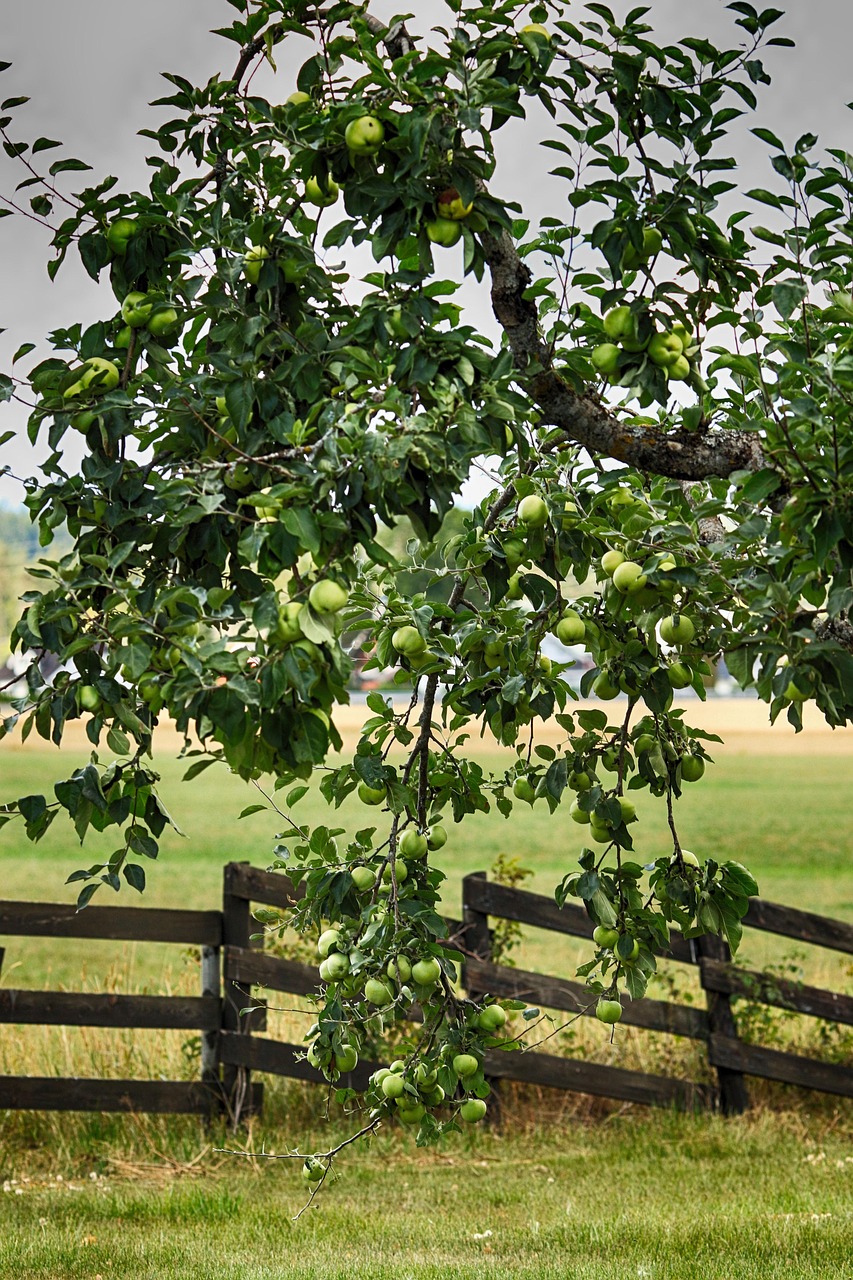
Free Apple Apple Tree photo and picture

The good news is that it doesn't matter if we know the exact levels of glycosides in elderberry.  What matters is that we know that cyanide evaporates at a temperature of a little over 78°F (26°C).

I found a pretty comprehensive study of the effects of heating on cyanogenic glycosides, which was informative, and reassuring.  In the study, bitter apricot seed was boiled in water for 15 minutes, resulting in a 98% reduction in glycosides.  Bamboo shoots were down 91% after 15 minutes of boiling, and no detectable traces were found after 60 minutes of boiling.  Cassava boiled for 20 minutes was down by 97%, and only trace glycosides were found after 35 minutes.  Flax seed was dry heated for 15 minutes, resulting in only a 10% reduction in glycosides.  The study referenced previous studies of dry heating which resulted in only 16-18% reductions, and concluded that dry-heating did not reduce cyanide content effectively.

I’d like to add one little side note, not related to toxicity, but relevant to heating elderberries.  There are a few studies which have examined the effects of heating elderberry.  One such study found “short-time heat treatment reduces potential allergy-related risks deriving from elderberry consumption without seriously affecting its properties as an antioxidant and free-radical scavenging food.”  Another study indicates gentle heating may render the polyphenols in elderberry more bioavailable, but this particular aspect is still controversial, and needs additional study.

Taking all of this information into consideration, my personal conclusion is that elderberries are as safe to consume as apples, with or without heating. Care should be taken to remove leaves, stems and branches, and a short 15 minute gentle simmer shouldn’t adversely affect the beneficial properties of the berries. While not the tastiest raw berries I’ve sampled, when checking my bushes this afternoon, I didn’t hesitate to pop a handful of elderberries into my mouth.


Tuesday, August 26, 2025

September/October 2025 Essential Herbal Magazine


 Our latest issue is out and available on the website.
SUBSCRIBE!
or Single Issue Only

It's a terrific issue, and it came together miraculously.  My next post will a tribute to our "tractor man", the guy who kept the farm together, my sister's husband, Bob.  He passed away on the 9th, and spent the previous 2 months on hospice.  Friends pitched in to get the farm through this growing season, making it as seamless as possible.
So when I say that the magazine came together miraculously, I'm not kidding.  We can never thank our contributors enough.  They sent such good articles on timely herbal information, experiences, and lore.  Recipes and remedies abound.  Maryanne told me she did the crossword puzzle and the program dropped 2 words.  I'm not sure what to do about that, other than make smaller puzzles, perhaps.
We're back to as normal as we get, and my mind is already on the Extra! due on Sept 20. 


Now.  On to the Table of Contents!

Crossword – FALLing  

Field Notes from the Editor, Tina Sams
What a summer this has been.  We did have a summer, right?


 Jamaica, Hibiscus Flavored Iced Tea, Marci Tsohonis  
A well-known beverage made from a specific hibiscus can be made at home.


Mint for Meals, Alicia Allen  
Use those mints for some delicious dishes!

minty salsa

 Ask the Aromatherapist, Janet Gutierrez, MS  
Myths about essential oils, debunked.


 Busy Bees and Mint Tea, Barbara Steele  
After growing herbs as a business for many years, it’s an adjustment to garden for pleasure.


 Fun Folklore, Jackie Johnson ND
Plants have been part of our stories for centuries, and learning these stories is fascinating.


 Tid-Bits from Kathy Musser
You never know what people will ask the herb farmer.

Yippee for Yellow Dock! Kristine Brown, RH (AHG)
Yellow dock helps us in many ways.  Learn all about it!


 Word Search – Harvest  

Oatmeal-Lavender Farm Soap, Marci Tsohonis  
Such a soothing, healing soap, especially good in dry, winter conditions - with complete instructions.


 Herbal Lore & Magic of the Autumn Equinox, Marcy Lautanen-Raleigh  
Autumn is a time of much lore, magic, and superstition.  Herbs are always a part of that.

bay leaves
Homemade Throat Syrup with Elecampane & Chai Spices, Hailey Lawson
Have this ready as the seasons change.


 All Washed Up, A Series by the Twisted Sisters  
We’ve been on both sides of the table at wholesale trade shows, and tell about it.

heading into the Javit's center NYC

Meet Our Contributors
Crossword Answers

 SUBSCRIBE!
or Single Issue Only

What's not to like?  Get yours today!


Sunday, June 29, 2025

July/August 2025 Essential Herbal Magazine

 I don't know if I'll ever get used to starting out with an empty folder, adding in my own contributions to an issue, and then watching it get fat and juicy as others join in.  We try to keep it to a size that our readers can easily print out - as we've found that many do - and that means we fill the 32 - 40 pages to bursting.

We've heard terms like "white space" and fancy, space gobbling techniques, but instead we fill the available space with great info.  Maryanne manages to make the tight space visually pleasing.  So far, it's working out.  Run over can go into the next Extra! 

We checked all the boxes with this one.  There are remedies, recipes, monographs, how-tos, lore, and more!  Enough to keep any herbie happy.  Something for everyone to try!

SUBSCRIBE!

or Single Issue Only

Without further ado, here's what you'll find inside:
 
TABLE OF CONTENTS

Crossword Puzzle, Sweet Summertime
Summer is our time to shine!

Field Notes from the Editor, Tina Sams
Some opinions. I don’t expect everyone to agree, but being out among lots of people reminded me of some pet peeves.

About the Cover
A little information about one of our favorite uplifting herbs.

The Humble Weed Anti-Itch Salve, Connie Byers
Simple weeds – jewelweed, plantain, and nettle combine to soothe summer itches.

Transpiration, Absorption and FUN! Tina Sams
A fun craft that instills knowledge just in the action of dyeing Queen Anne’s Lace blooms.

Make Your Own Flower Essences, Debra Sturdevant
How to make your own essences. Lilac is made in this example, but the instructions apply to other flowers.

Tea (Camillia Sinensis) History and Parties, Jackie Johnson, ND
Prepare to learn some things about the history of tea!

Linden: A Gentle Ally for Summer, Amy Jeanroy
This beautiful tree gives us shade, the bees adore it, but wait! There’s more!

All Washed Up - A Series by The Twisted Sisters
Some of our more memorable road trips. The journey is always half the fun.

Simple Summer Suppers, Alicia Allen
A baker’s dozen of vibrant, fresh dishes that make evening meals special.

Word Find, Walking on Sunshine
Searching for summertime!

Lavender Soap, Marci Tsohonis
Marci is a very precise soapmaker, so when she has a blooper, it’s a rare thing – and she’s sharing it with us so we can learn with her.

Stargazing Tea Recipe, Maia Wisher-Warren
Delicious, beautiful, and caffeine free tea, perfect for watching the night skies.

Cooling, Preserving & Savoring, An Herb Lover’s Guide to Late Summer
Marci Lautanen-Raleigh
Lots of great ideas for the cornucopia of herbs that are overflowing in the gardens.

Book Excerpt, Feed Us with Trees, Elspeth Hay
Excerpt from a new book, we read about the bounty of the chestnut tree. The book shows how many ways nut trees benefit the earth, and everything that lives here.

Fresh Tomatoes, Caprese Salad, Maryanne Schwartz
A summer staple. Cooling, and delicious, this treat packs flavor and protein into a snack.

Meet Our Contributors
A little about our writers.

Puzzle Solutions

That's it until the Extra comes out July 20th.  Enjoy the projects!

Friday, June 27, 2025

May June '25 Extra!

 I completely forgot to post this, but it was such a great Extra! it needs a brag.  Before too long we'll be compiling another couple years of Extras - and if you weren't a subscriber and didn't get them, you might need to have it.  The first one is HERE.

What's inside?

-  What is happening to the costs of herbs, oils, containers, and all the things we use with our herbal projects and/or products?

 - Delicious Peach Sangria recipe

- Excerpt from the new color edition of the Modern Herbal Dispensary

- Excerpt from Plant Energy Medicine

- Cucumber Salsa time!

- All Washed Up, More Adventures of The Twisted Sisters
   The Big Spill - learning experiences involving colossal spills, explosions, and soap diving.

- Crossword and Word Find puzzles

The only way to get the Extras is to subscribe or wait a couple years until we pull a book together.

Saturday, May 31, 2025

Yucca Root Soap


 The other day I dug up a yucca plant to share with a friend.  The two that were planted here a decade ago have spread to about six or seven.  As I pulled the plant from the soil, being sure to leave plenty around the root ball, a tuber fell to the ground.  I didn't know if it came from the yucca, and mentioned it to my sister, who said, "oh yeah!  That's where the saponins are!"

I didn't plant these.  Her husband, my brother in law, has a thing for hostas and yucca.  He's a tree nurseryman, and he likes plants that you can put in and forget about.  If I'm not paying attention, there will suddenly be a whole patch of hostas in my back yard.  In fact there are two.  

Same thing happened with the yucca, but they are stately and lush, so I didn't mind.

The next day I went out and picked up the tuber. One reason was so that it didn't grow and another was because it seemed like a fun experiment.  As we talked about it, Maryanne told me that it was (is?) traditionally used by the Navaho to wash wool. 

These are the original two, on either side of a walkway out through the fence.  The closer one houses many small creatures around its base, which might account for the smaller size. 


 This one is smallish, about the size of a large fingerling potato. 
 

In fact there's a net bag of fingerlings on the counter, and it occurred to me that they looked similar except that the yucca has a dark, thick skin while the potato is pale and thin.  The yucca's texture is a cross between a potato and a water chestnut.  Very firm.  It is slippery as soon as you cut it. 

Normal people would look up how it is typically processed at this point, but that would be too easy.  Instead, I chopped it up into pretty small pieces.


Added water and put it into the microwave for a minute (where it foamed over a bit). 
It sat overnight and got nice and cloudy.  


 And when stirred vigorously with a fork, it got a layer of small bubbles.                                                                                                                                                           
On my hands, the feeling was definitely clean.  There's something else though.  Not a coating, but the skin feels soft and an indescribable feeling of having some kind of protective barrier.  There's no drag when hands or fingers are rubbed together - hours later.
So then I washed my hair.  Straining out the bits of yucca, there were about three ounces of liquid.  The first thing I noticed is that it's hard to tell where the "soap" has gone because there aren't any bubbles or foam.  Did I get the part behind my left ear?  What about the crown?  The feeling was "squeaky clean."  It took a while before it seemed to be rinsed out.  We have very hard water here, so I would never use it at the beach, where even regular shampoo or soap feels impossible to rinse off (super soft water).  My sister tells me that when detergents first went on the market, they didn't sell because they didn't bubble or foam.  In order to get people to buy them, they needed to add a foaming agent.  Using this liquid, I can agree that it was disconcerting.  
#1 I think I should have diluted it.
#2 A little vinegar rinse might have been a good idea.
BUT the results are great.  The volume and texture is increased, and it's very clean.

 Later, I sniffed around the internet and found that I could pound it (or use my Ninja) and then dry it for later use.  To use the dry root, it should be reconstituted.  It might be worth digging up some more tubers!